← All Guides · Floral Gatherings Download Digital PDF Download Print Version

A free guide to how to condition and care for cut flowers, from the team behind Southern Ontario's DIY floral arrangement parties.

Flower Handling

You don't need to be a florist! Read these tips and tricks to get started. See back for flower-specific tips.

3 Types of Stems: Leafy, Filler, & Focal

Most arrangements should include all three types.
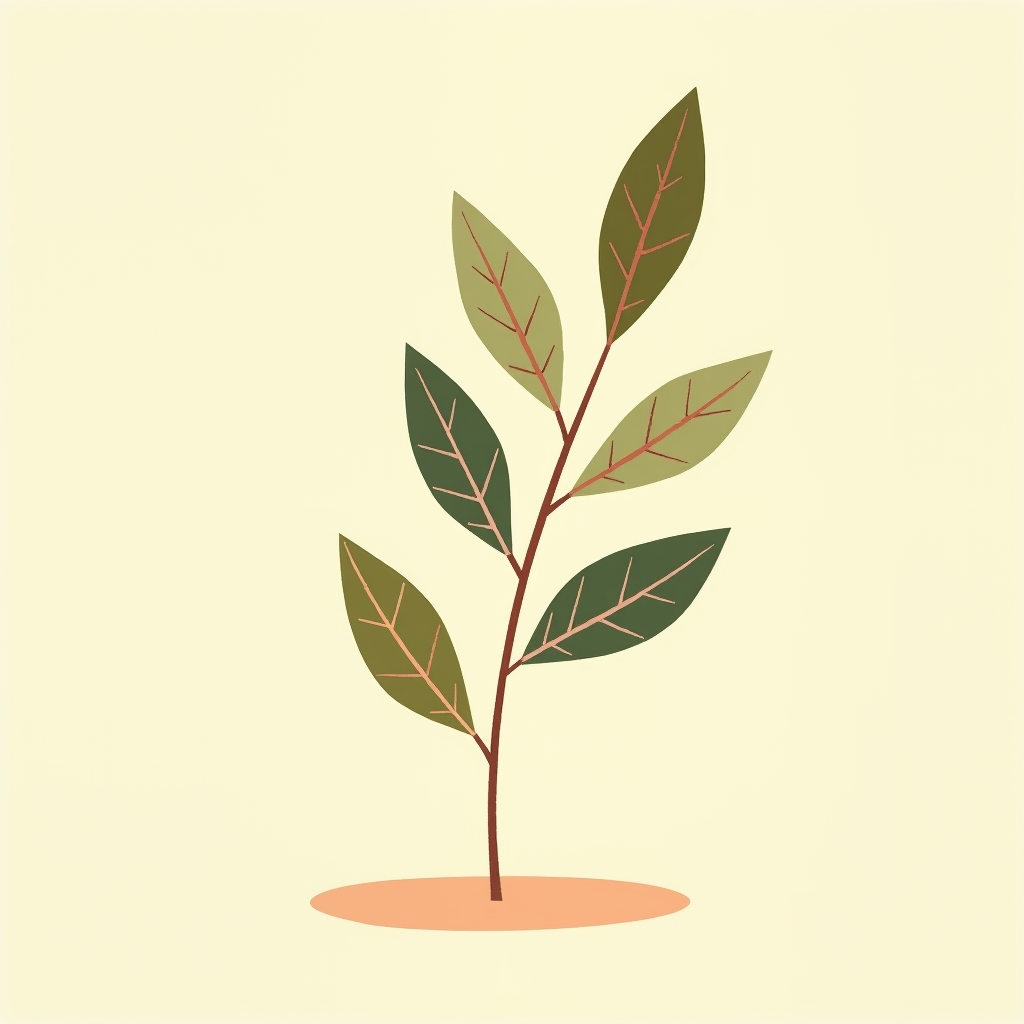
A leafy foliage stem

Leafy stems are foliage and come in different shades (e.g., green, yellow, red, dried).

A small-budded filler flower stem

Filler flowers are small buds that add height, texture, or movement (e.g., aster, baby's breath, stock flower, carnations).
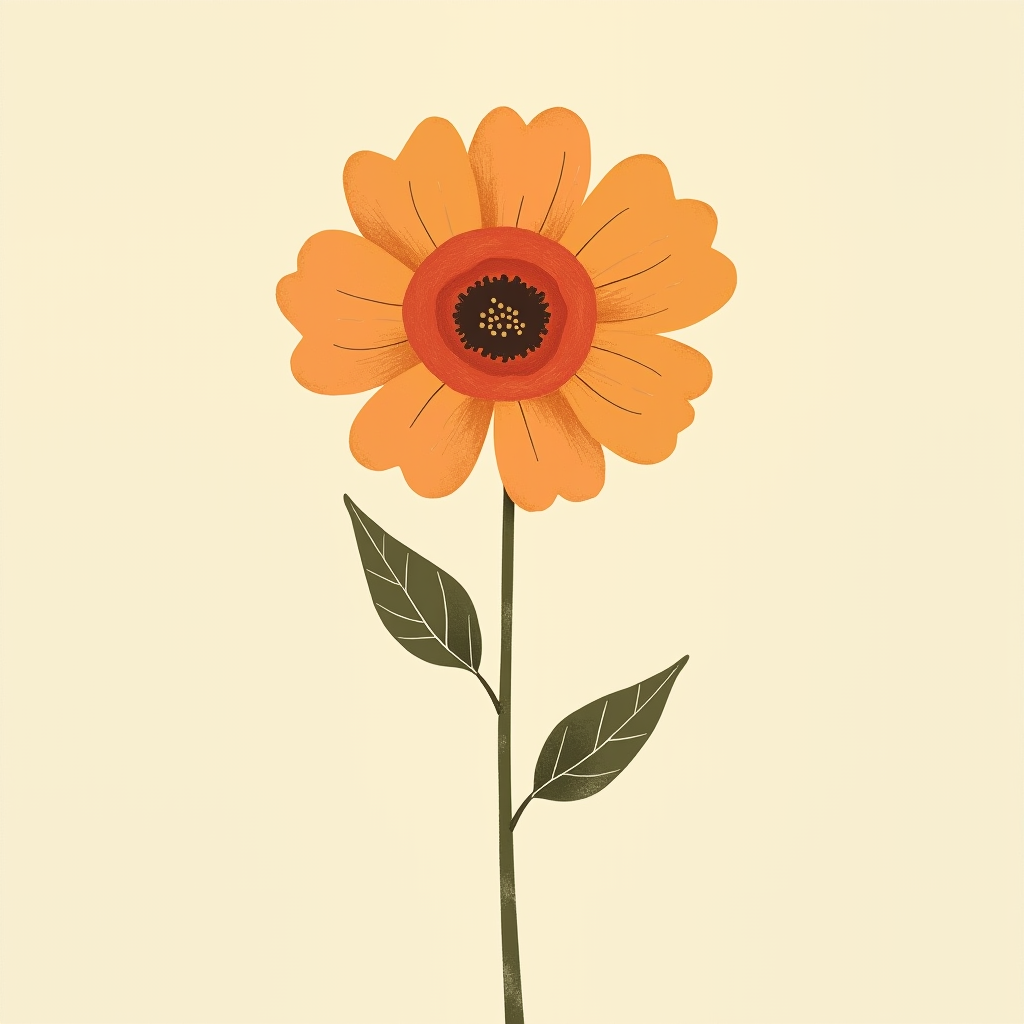
A large focal flower stem

Focal flowers are large showstoppers. They are what most people notice first in an arrangement (e.g., roses, dahlias, lilies).

Optimize Branching Stems

Some stems naturally branch into multiple stems that can be trimmed for arrangements like boutonnieres, corsages, foam, or hairpieces.

Cut where the stem naturally branches apart. Avoid cutting straight across the middle of a main stem, because it results in an exposed cut at the top.
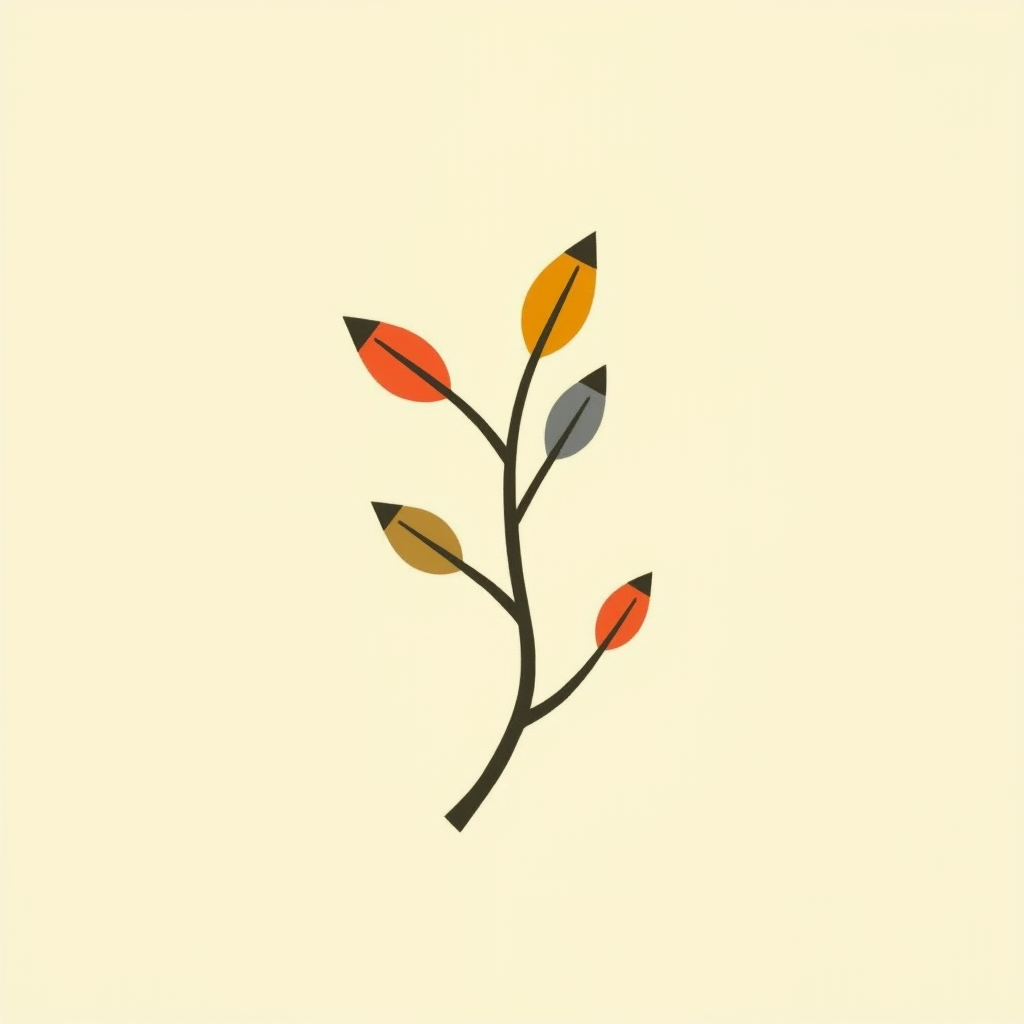

A naturally branching stem being cut where it branches apart, not straight across the middle

Removing Leaves

Remove leaves that will touch water or leaves that will be bundled and squished together. These leaves will not be seen and will contribute to bacteria growth.

It is okay to keep a few upper leaves if they will be visible in your design.
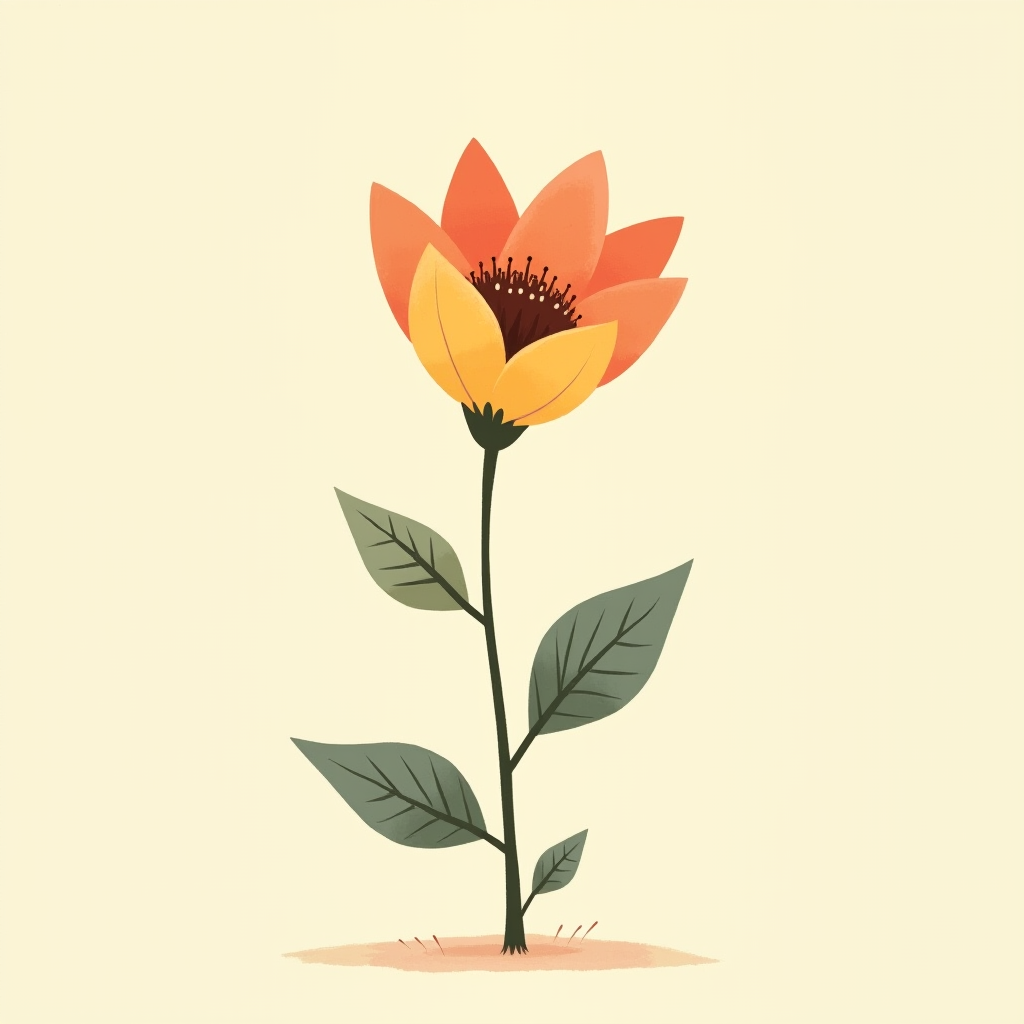
A flower stem with lower leaves marked for removal, upper leaves kept

Strengthening Bent Stems

Delicate flower stems may bend during transport or preparation. Use paper-based flower tape to fix this.

Decide which point of the stem needs support.
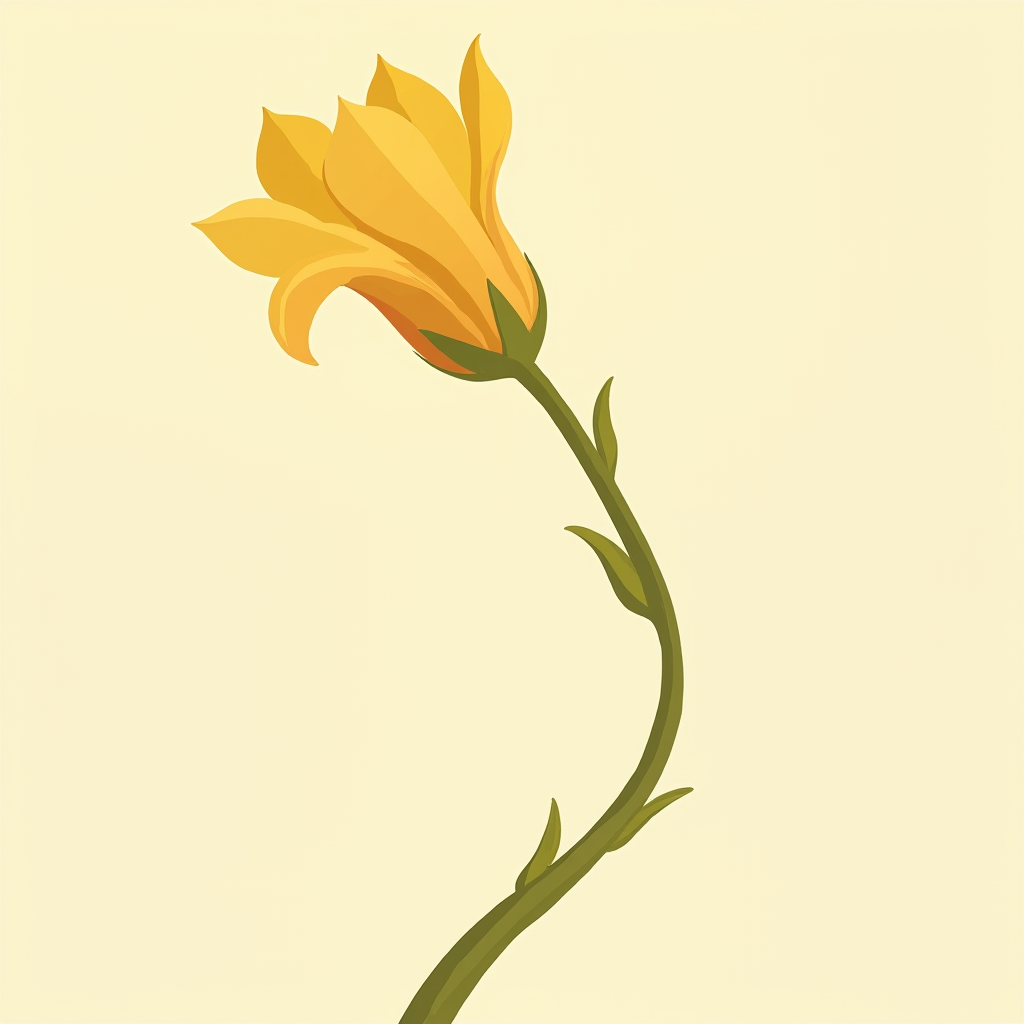
A delicate flower stem bent and drooping at a weak point, before any support is added

Wrap tape around the bend point while slightly pulling to activate the adhesive. Continue wrapping or layering tape until the stem feels supported.
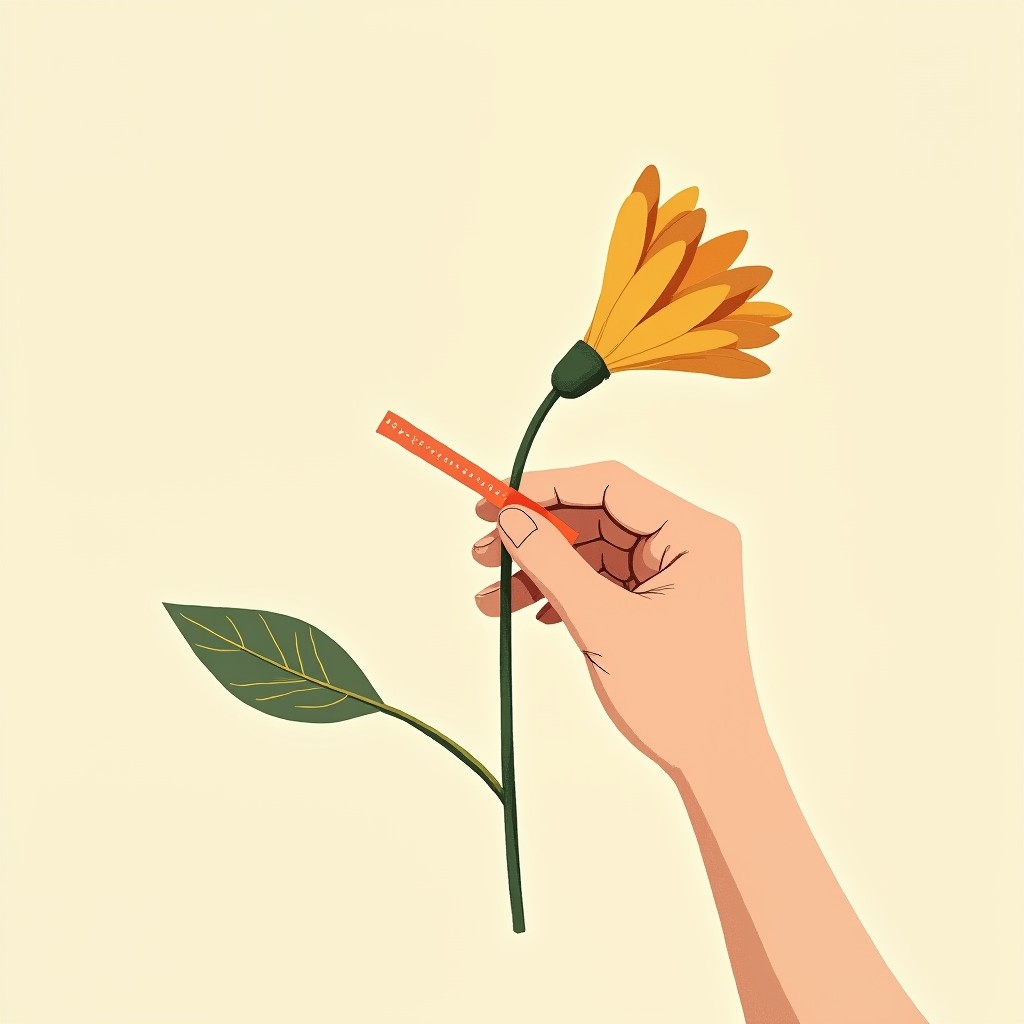
Paper floral tape being wrapped around the bend point of a delicate stem, now straighter and supported

The tape will not be noticeable once flowers are arranged.
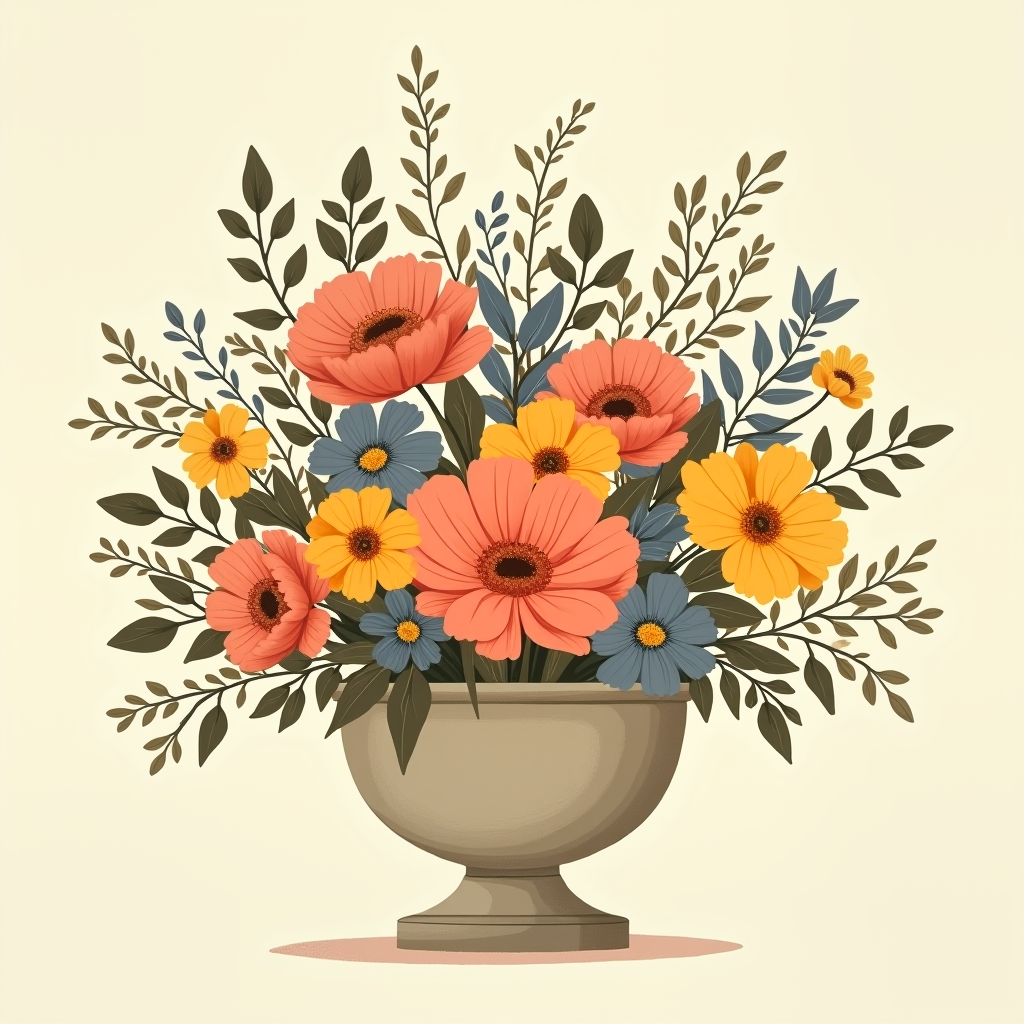
A small arrangement of flowers with taped stems, showing the tape is barely noticeable once arranged

Flower Handling

Some flower types need extra attention. Review these tricks that florists use.

Roses

Rose buds will be closed upon arrival. To encourage blooming:

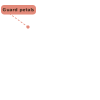
  • Remove guard petals (outer petals) that look brown or green by plucking them off.
  • Blow into the rose bud to separate petals.
  • Gently spin the stem between your palms.
A rose bloom with the outer guard petals labelled

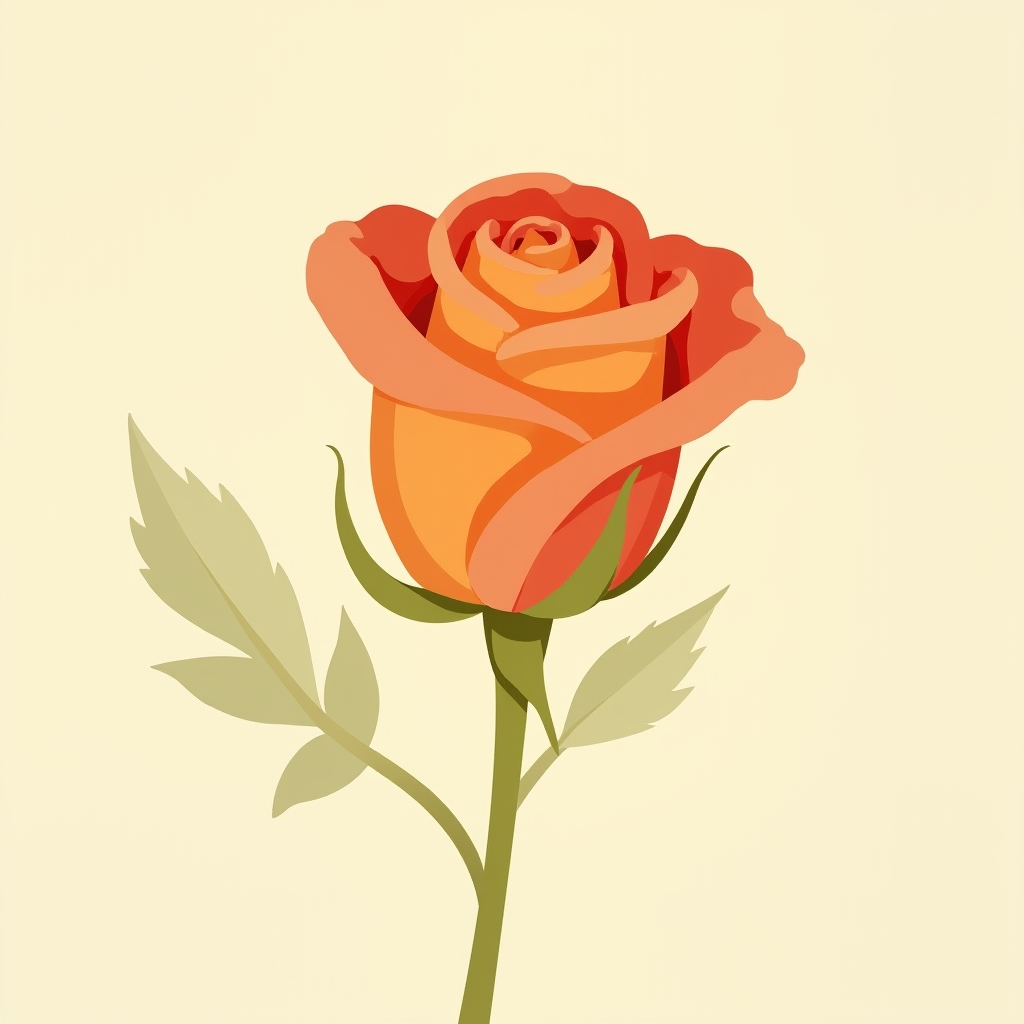
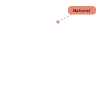
The same rose can create two different looks — natural or reflexed:

How to reflex roses:

  • Gently fold the outermost petals backwards towards the stem. You can tuck outer petal edges in for extra hold.
  • Continue one petal at a time, working evenly around the bloom.
  • Stop once you reach the central petals or once you achieve your desired look.
Important

Reflexing requires a gentle hand to avoid tears. Not recommended for roses with very thin, delicate petals — it may also shorten the lifespan of your rose depending on the variety.

A rose in its natural, unreflexed form

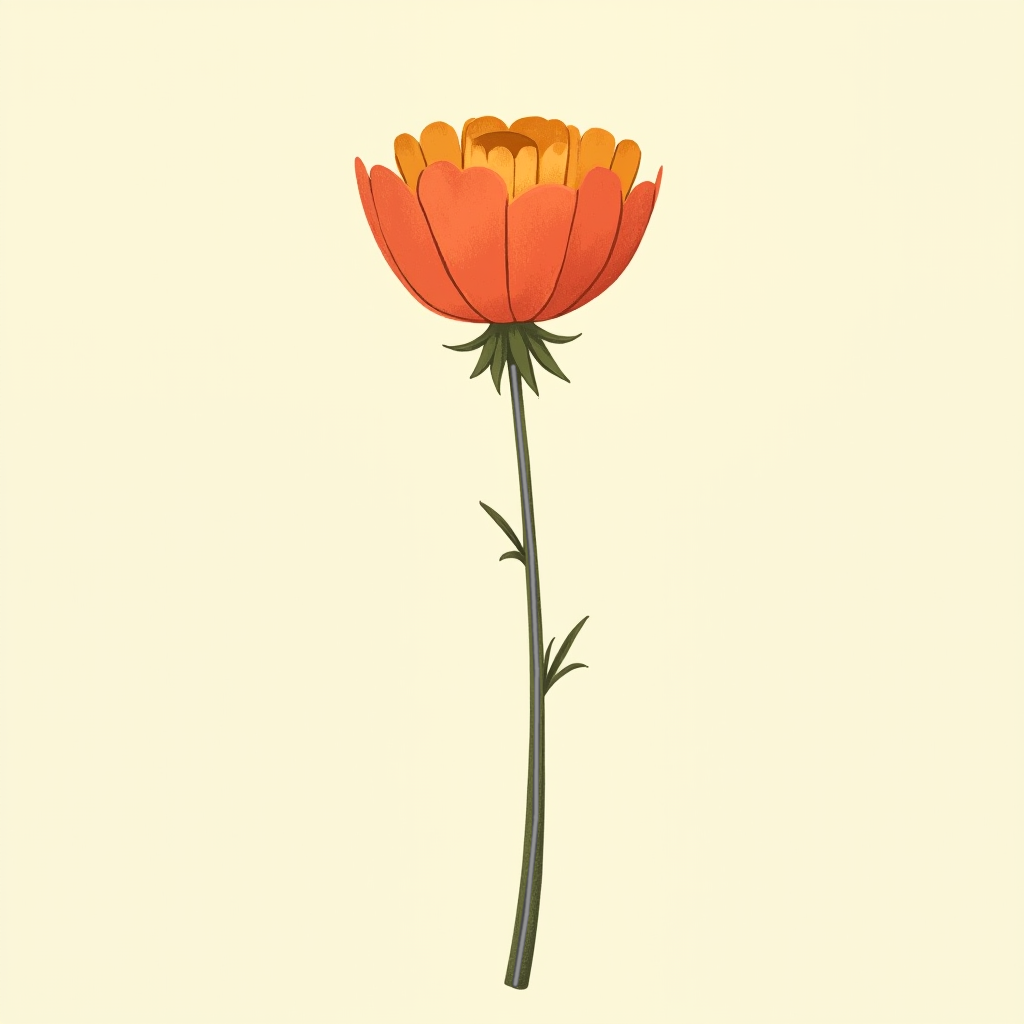
Ranunculus, Anemones, Gerbera — delicate hollow stems

These flowers tend to flop due to their delicate hollow stems. While some prefer the floppy look, for a clean upright look consider inserting wire into the stem.

How to wire stems:

  • Cut wire to the length of the stem.
  • Insert wire through the bottom of the stem and slowly push it up until it reaches the flower head base — support the stem with your non-dominant hand while pushing.
  • If the wire tears through the stem, redirect the wire upwards and close the wound by wrapping paper-based floral tape around it.
Floral wire inserted through the bottom of a hollow stem up toward the flower head for support

Carnations & Hydrangeas

A carnation bloom with ruffled petals

Carnations are a no-fuss flower that can achieve different looks. Push the petals down with your hand to open them up, or remove central petals for an airy look.

A hydrangea bloom made of many small clustered petals

Hydrangeas love water and wilt easily. Remove all leaves so that water only goes to the flowers. If using in bouquets, keep them in water until the ceremony. In foam and vase arrangements, top up with water daily.